Daniel Whitmore
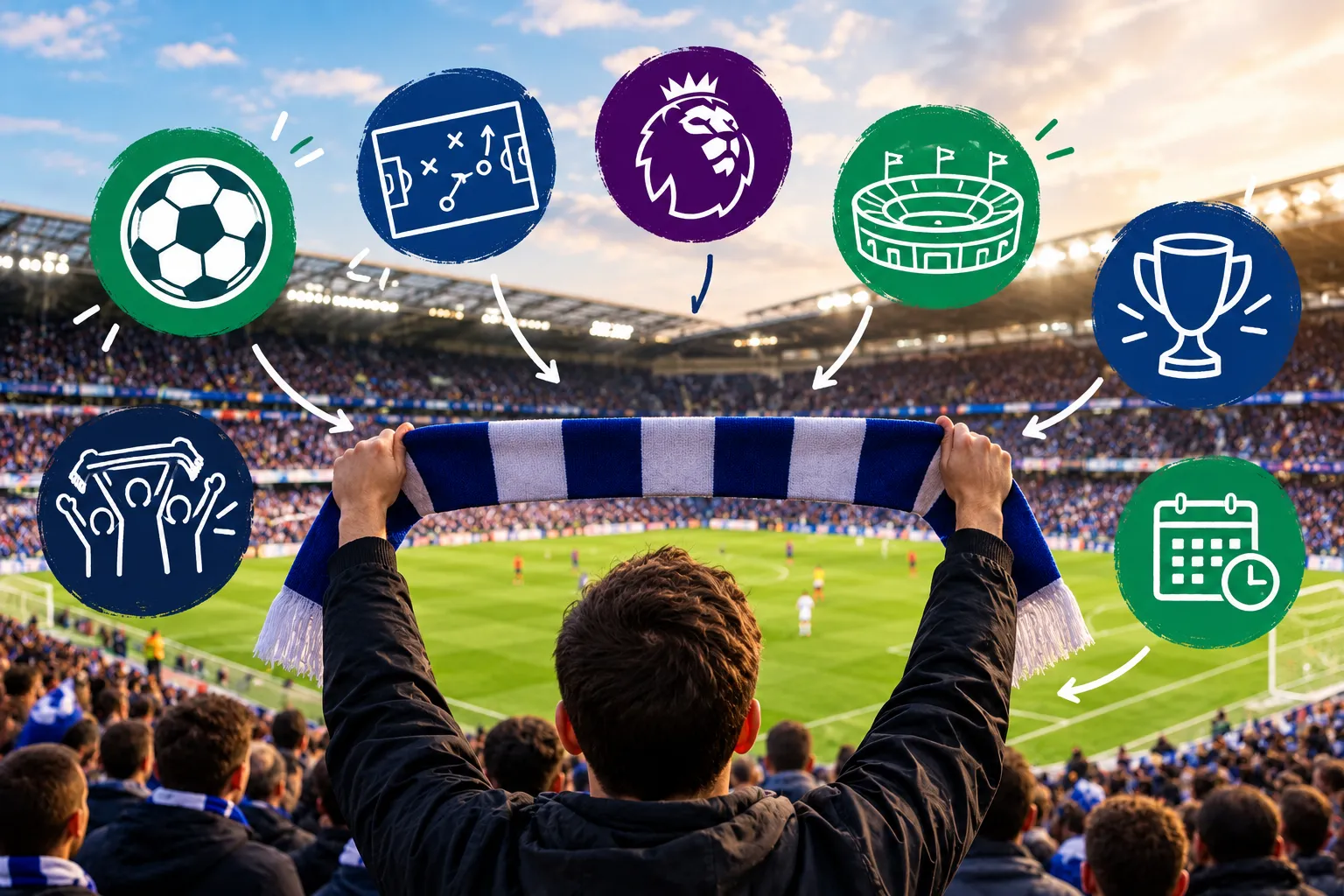
Football is simple to watch and surprisingly hard to follow. The basic rules take five minutes; the things that actually decide matches — the offside line, why a side presses, what a manager changes at half time, why the crowd matters, how the players got there in the first place — take considerably longer, and most coverage assumes you already know them.
This page is the overview of everything on this site, written for someone who has started watching and wants to understand what they are looking at. Each section explains the essentials and links to the detailed guide if you want to go further.
The basic shape of a match
Two sides of eleven, two halves of forty-five minutes, a goal counts when the whole ball crosses the line between the posts. Three points for a win, one for a draw. Each side may now make five substitutions, though they have to be taken within a limited number of stoppages so the game is not broken up repeatedly.
Beyond that, almost everything is governed by the Laws of the Game, which are written and maintained by the IFAB and published in full each season. They are shorter and clearer than their reputation suggests, and reading the handful that cause arguments is the fastest way to stop being confused by them.
How does the offside rule actually work?
A player is offside if, at the moment the ball is played to them, they are in the opposition half and nearer to the opponents’ goal line than both the ball and the second-last opponent — and are then involved in the play. The second-last opponent is usually the last defender, because the goalkeeper is normally the last.
Three things catch people out. Position is judged at the moment the ball is played, not when the player receives it, which is why a runner can be level and legitimately end up well beyond the defence. Being in an offside position is not an offence until the player becomes involved. And you cannot be offside direct from a throw-in.
Our full explanation of how the offside rule actually works covers the edge cases, including the ones that produce the longest arguments.
Why added time is not a guess
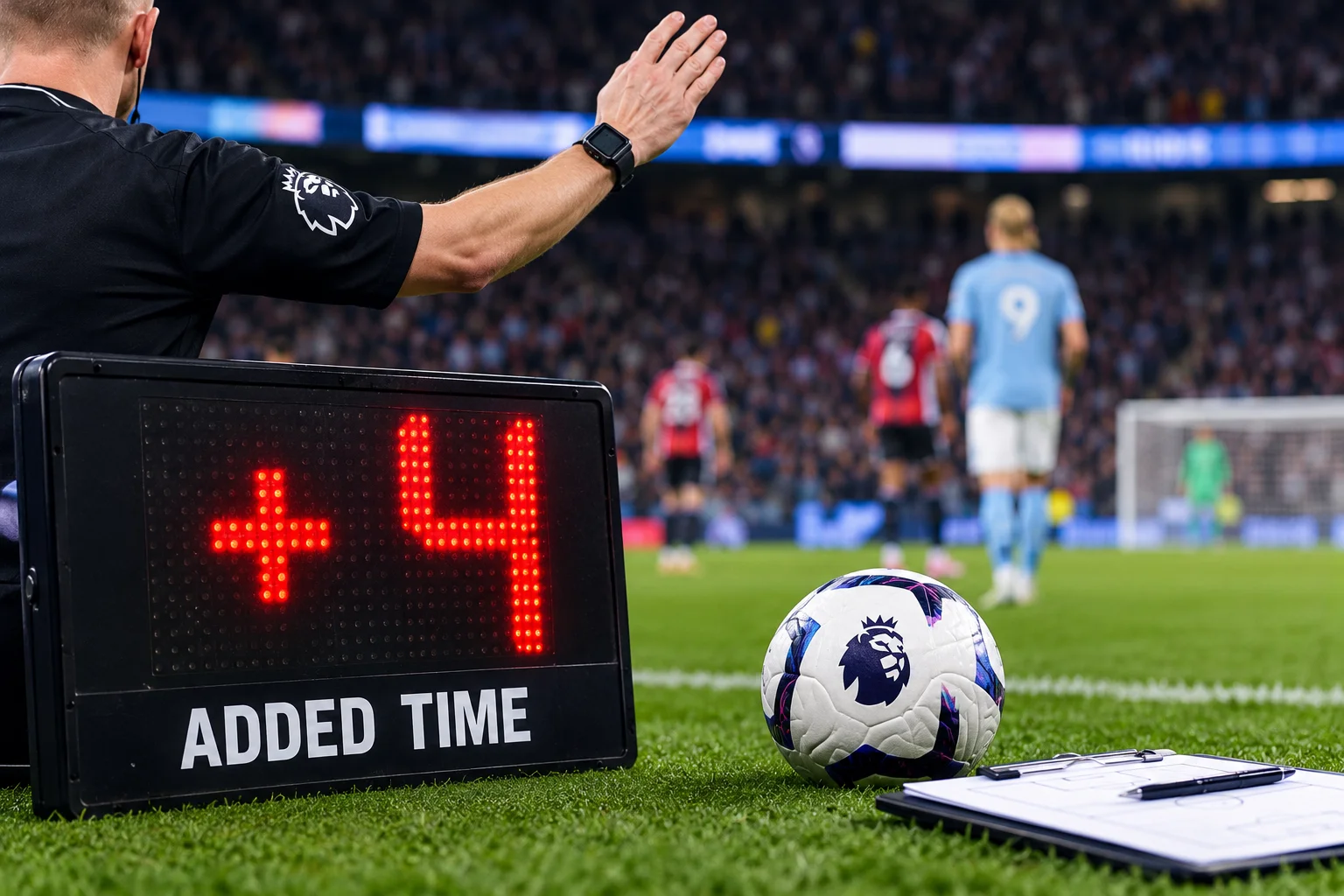
The referee is required to add an allowance at the end of each half for time lost to a defined list of causes: substitutions, injury assessment and removal, deliberate time-wasting, disciplinary sanctions, drinks breaks, video review delays and goal celebrations. The clock does not stop for a slow throw-in, because routine restarts count as part of the game.
The number the fourth official holds up is a minimum, not a deadline. Anything that happens during the added period — a goal, a substitution, an injury — extends it further, which is why a board showing five minutes regularly produces seven. How added time is calculated sets out the whole list.
Formations, tactics and what a team is trying to solve
A formation is shorthand, not a plan. What matters is what the shape is trying to achieve and what weakness it accepts in return — every tactical choice is a trade, and seeing the trade is most of what separates watching football from understanding it.
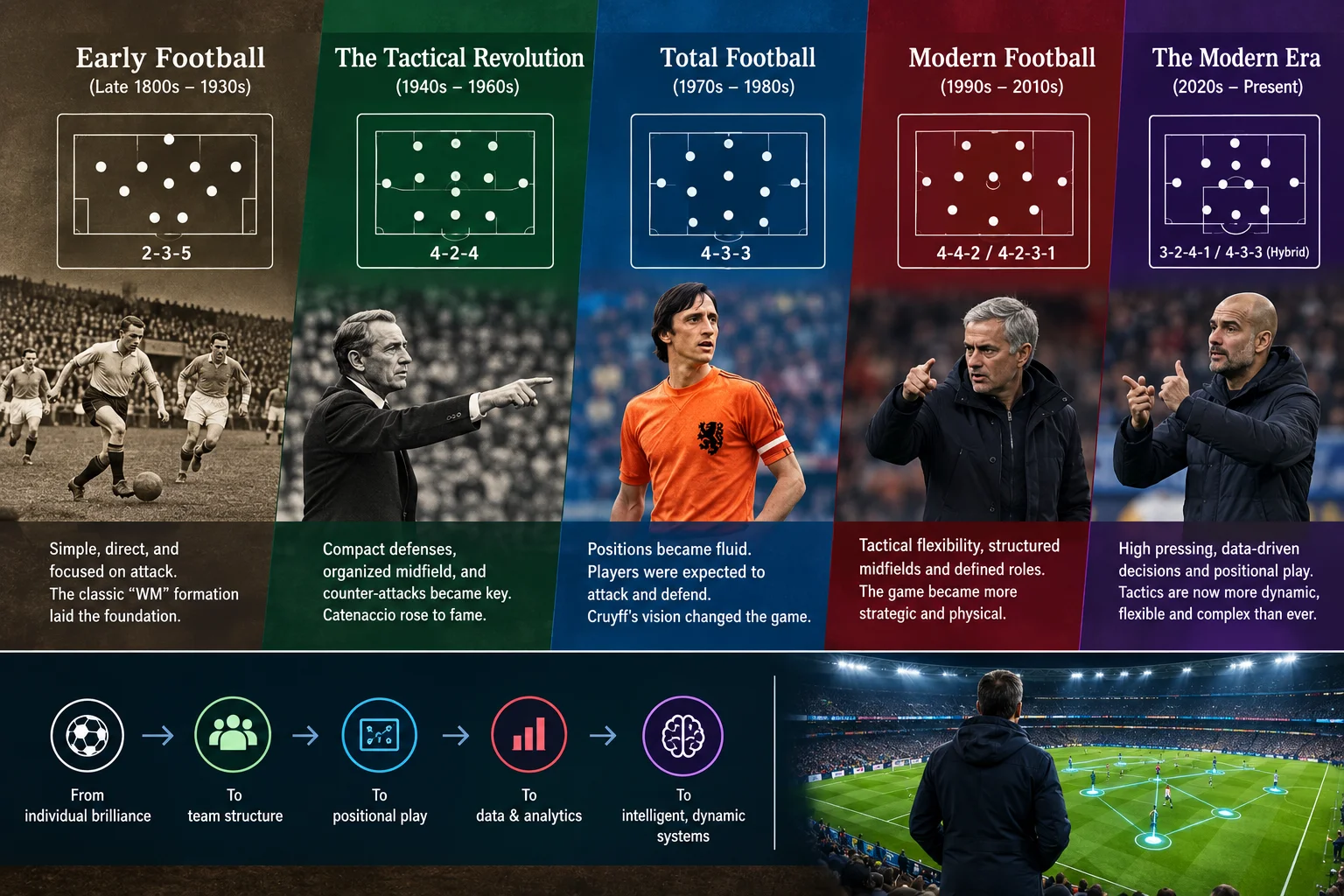
The history is the fastest way in, because each era was a response to the one before it: an attacking orthodoxy provokes a defensive answer, which provokes a new way of breaking it down. How football tactics have evolved follows that cycle from the earliest formations to modern pressing.
One part of the game is worth singling out because it decides more matches than its reputation suggests. Set pieces — corners, free kicks, long throws — are rehearsed in enormous detail and are the one phase where a weaker side can genuinely outperform a stronger one. Why set pieces win Premier League matches explains how teams plan them.
What the positions actually do
Modern positions bear little relation to the numbers on the shirt. Midfielders are the clearest example: the job has split into several distinct roles, most of which are invisible if you watch the ball rather than the space. Why Premier League midfielders matter covers what they are actually doing.
Goalkeeping is the position judged most unfairly, because the mistakes are visible and the good work is not. A keeper who is rarely required to make a spectacular save is usually positioning himself well; the one making three a match is either exceptional or badly placed. Why goalkeepers are judged differently explains what coaches actually assess.
What a manager actually changes
Less than the credit and blame suggest, and more specifically than most commentary allows. A manager picks the side, sets the pattern of pressing and possession, prepares set pieces, and makes a handful of in-game decisions — the substitutions, the shape change, the instruction to a full-back to push higher.
The half-time adjustment is the most visible of these and often the most consequential. How football managers change games covers what is realistically within a manager’s control during ninety minutes and what is not.
Why does home advantage matter?
Because it is measurable and persistent. Home sides win appreciably more often than away sides across virtually every league in the world, and the effect survives when you control for squad quality. The causes are a mix of familiarity, travel fatigue for the visitors, and crowd influence on marginal decisions.
The importance of home advantage sets out the evidence, and it is a useful corrective to the assumption that a crowd is just atmosphere. Derbies concentrate all of it, which is why those fixtures produce results the table does not predict — why derbies mean more covers what makes them different.
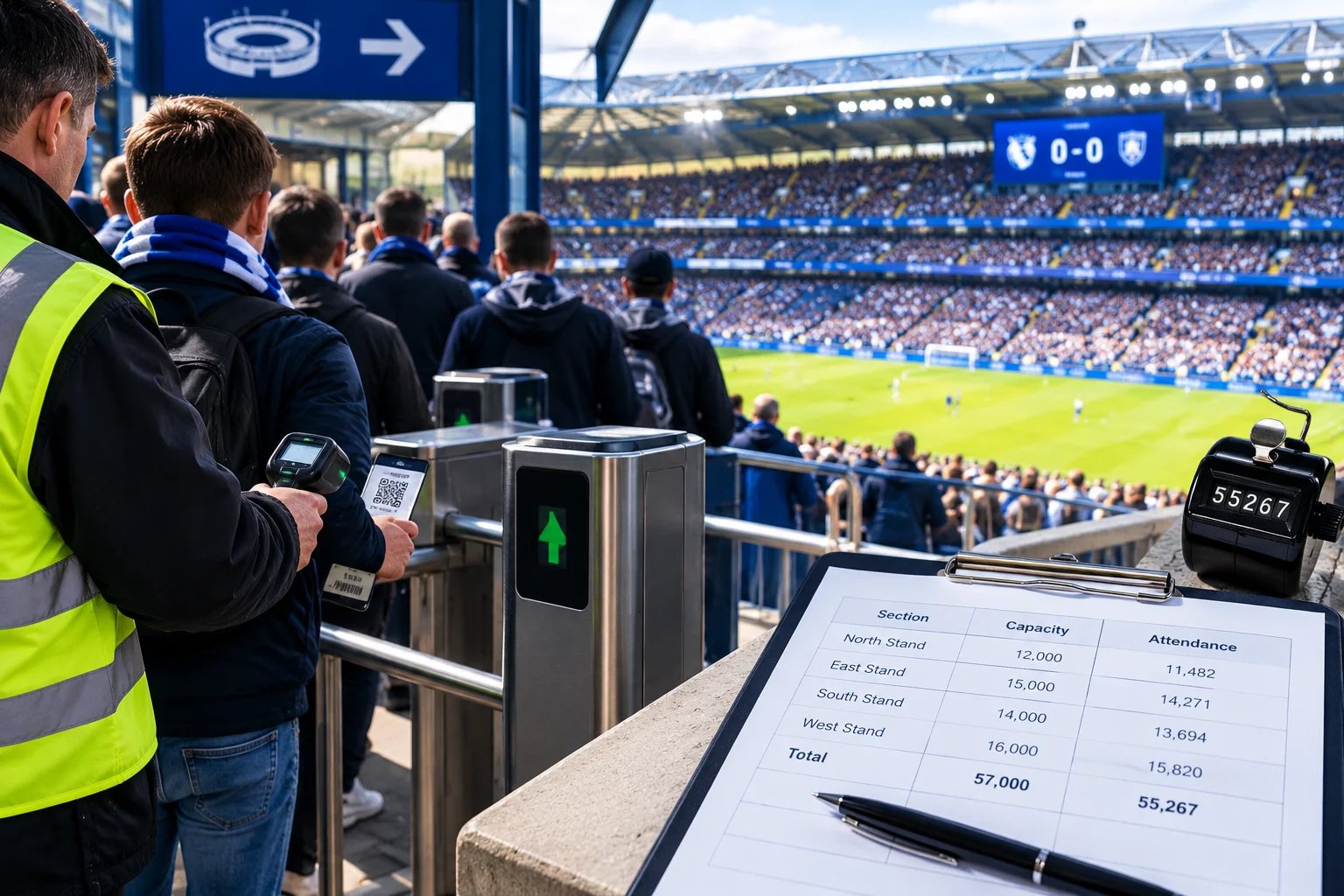
One thing worth knowing about the crowd itself: the attendance figure announced at a match is usually the number of tickets issued, including season tickets whose holders did not turn up, rather than a headcount. How football attendances are counted explains the gap.
How players arrive at a club
Two routes: the academy and the transfer market. The academy is the cheaper one and the slower one — most players who make it take longer than supporters expect, via loans and setbacks, and the ones a club is proudest of are often those it nearly released. How football academies produce players covers the system.
The transfer market is more complicated than the reporting suggests. A deal involves a club-to-club negotiation over the fee and its structure, a separate negotiation with the player over personal terms, a medical that genuinely does change deals, and a registration process that is where the real deadlines sit. How a football transfer actually gets done walks through every stage.
The two windows behave differently. How the January transfer window shapes a season explains why mid-season value is so hard to find.
Why the Premier League is watched everywhere
Partly scheduling, partly competitive depth, partly a thirty-year head start in selling itself abroad. The practical consequence for a new supporter is that the league is covered more thoroughly than any other, in more languages, with more data available — which makes it the easiest competition in the world to learn.
The global appeal of the Premier League covers how that happened and what it has meant for the clubs.
What should a new supporter know about buying a shirt?
Three things. Buy the standard replica rather than the player version unless you intend to play in it — the authentic shirt is cut for an athlete and runs at least a size small. Buy on chest measurement rather than the size letter, which varies between suppliers. And buy a season behind if you can live with it, because last season’s away and third shirts fall by a third to a half once the new kit is announced.
Where to start: the Premier League shirts season guide explains what changes across the league each year, buying football shirts online in the UK covers delivery, duties and returns, and how to buy cheap football jerseys well covers what a low price legitimately gives up. If you are after cheap football kits rather than a current-season replica, those two pages between them will save you more than the discount.
Club guides for the ranges most people start with: Liverpool, Chelsea and Manchester City. For international kit, the England home shirt guide, and for children, England kids’ kit sizing, where the age labels are the main trap.
Frequently asked questions
Can a player be offside from a throw-in?
No. There is no offside offence direct from a throw-in, which is one of the few genuinely simple exceptions in the laws.
Does the clock stop during a football match?
No. The referee keeps time continuously and adds an allowance at the end of each half for time lost to specific causes. The figure displayed is a minimum and can be extended.
How many substitutions is a team allowed?
Five, but they must be made within a limited number of stoppages so the match is not interrupted repeatedly. Half time does not count as one of those stoppages.
Is the announced attendance the number of people in the ground?
Usually not. In most of English professional football it is the number of tickets issued, which includes season tickets whether or not the holder attended.



 Jesse Hall