Jesse Hall

Why Premier League Midfielders Matter
Goals get the headlines and goalkeepers get the blame, but most Premier League matches are decided in the thirty metres either side of the halfway line. That is where possession is won and lost, where the tempo is set, and where a side either controls the game or spends it chasing.
Midfielders do that work. Understanding what they actually do, rather than what the highlights show, explains why clubs spend so much on them and why a team with an ordinary attack and an excellent midfield so often finishes above one built the other way round.
What does a midfielder actually do?
Far more than the two or three touches that make a highlights reel.
A midfielder’s job over ninety minutes is to connect the defence to the attack, to keep the ball when the team has it and win it back when the team does not, and to be in the right place when either of those things needs doing. That involves constant movement, most of it without the ball: closing passing lanes, offering an option to a defender under pressure, covering for a full-back who has gone forward.
Very little of it is visible unless you watch the player rather than the ball. The best midfielders make the game look slower than it is, because they are already where the ball is going.
How has the role split into specialisms?
Into at least three, and most teams now field a combination.
The deep-lying midfielder sits in front of the defence, breaks up opposition attacks and starts his own team’s moves with short passes. He rarely scores and rarely gets noticed, but a team without one leaks goals through the middle.
The box-to-box midfielder covers the most ground of anyone on the pitch, arriving late in the opposition area and recovering to help defend. Stamina and timing matter more than any single skill.
The attacking midfielder operates closest to the forwards, creating chances and occasionally finishing them. He is the one most likely to appear in the highlights and the one whose work is easiest to measure.
A good midfield usually has one of each, or players who can shift between the roles as the match demands.
Why do the best sides build from the middle?
Because control of the midfield is control of the match.
A team that dominates the centre of the pitch decides where the game is played. It keeps the ball in the opposition’s half, forces the other side to defend for long periods, and limits the counter-attacks that come from losing the ball in dangerous areas. A team that loses the midfield battle spends the match reacting rather than acting, however good its forwards are.
This is why title-winning sides almost always have a midfield that other clubs envy, and why a club’s recruitment often starts there rather than up front.
What makes a great Premier League midfielder?
Decision-making above everything, and the pace of the league makes that harder than anywhere else.
Premier League football is played faster than most European leagues, with more pressing and less time on the ball. A midfielder in England has to decide what to do with the ball before he receives it, because by the time it arrives an opponent is already closing. The players who thrive are the ones who scan constantly, know where their teammates are, and can execute a pass under pressure without needing a second touch.
Physical qualities matter too. A midfielder who cannot sustain high-intensity running for ninety minutes will be found out by the final quarter of a match, which is when most Premier League games are decided.
Why are midfielders so expensive?
Because they are hard to find and harder to replace.
A striker can have a poor match and still score a goal that wins it. A midfielder who has a poor match affects everything around him, since the whole team’s rhythm depends on his decisions. That makes the position unusually unforgiving, and clubs pay a premium for players who have proven they can handle it over a full season.
The best midfielders are also the players other clubs most want to take. A side that loses its key midfielder in the summer frequently struggles the following season, even if it replaces him with someone of apparent similar quality, because the new player has to learn the team’s patterns from scratch.
How do you watch a midfielder properly?
Ignore the ball for a few minutes and follow one player.
Watch where he positions himself when his team loses possession. Watch how often he looks over his shoulder before the ball reaches him. And watch whether his passes go forward or sideways, and whether they arrive at a teammate’s feet or make him stretch. After ten minutes you will know far more about that player than a season of highlights would tell you.
The same applies to the player in front of the defence, who may barely touch the ball in a match and still have been the reason the opposition never got a shot away.
Has the midfield changed over the years?
Considerably, and mostly in what it is asked to do without the ball.
A generation ago, midfielders were often divided simply into those who defended and those who created, with the creative player excused from much of the defensive work. Modern pressing systems have removed that excuse. Every midfielder now defends, and the creative ones are expected to press as hard as anyone. At the same time, the deep-lying role has grown in importance as teams have built their attacks from the back rather than launching the ball forward.
The result is a midfielder who covers more ground, makes more decisions and carries more responsibility than his predecessors did, which is why the position has become the most demanding on the pitch.
Where midfielders fit in the modern game
The position has become more demanding as football has become faster and more tactically rigid. Midfielders are asked to press, to cover, to create and to keep the ball, often in the same phase of play, and the ones who can do all of it are the most valuable players a club can own.
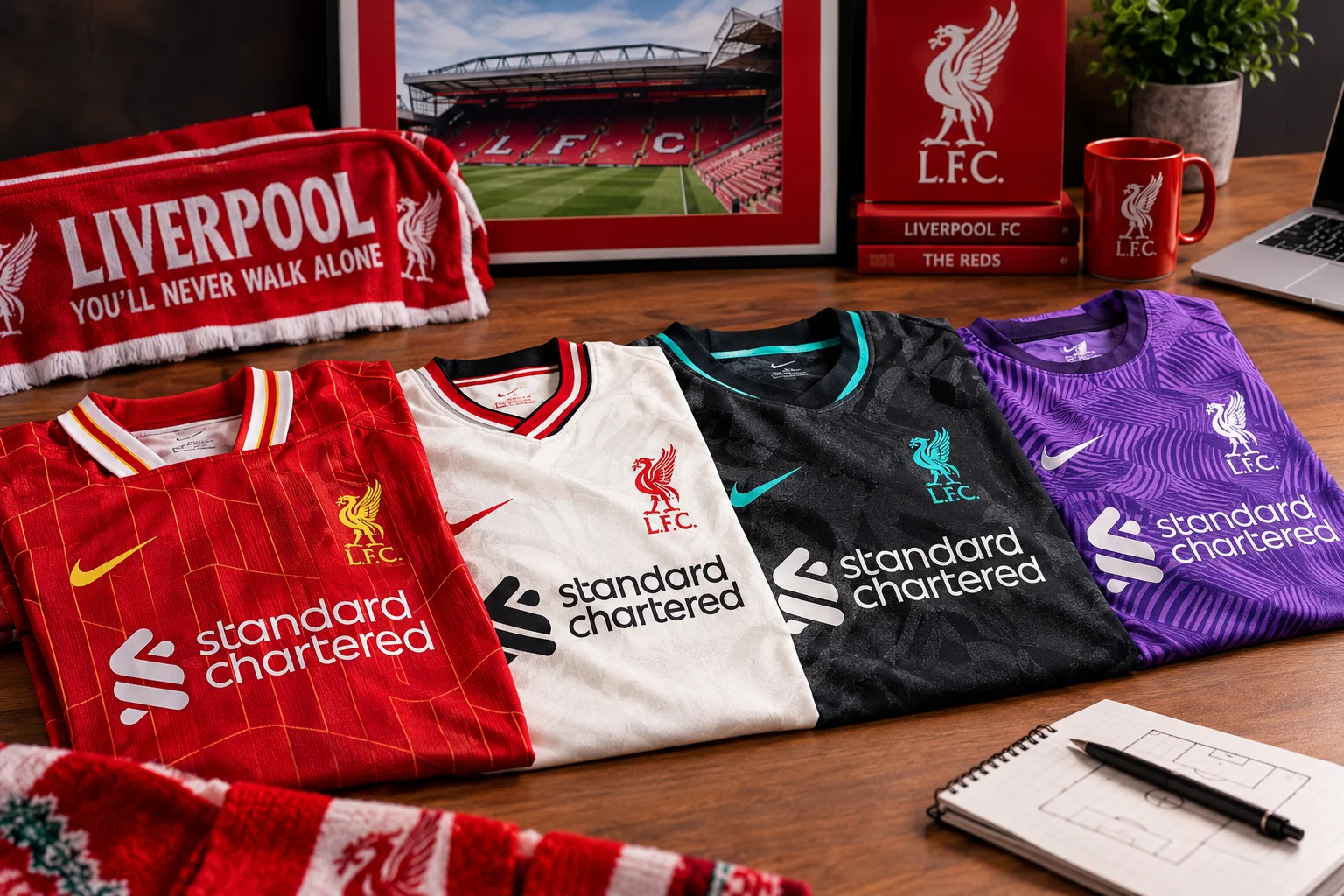
Goalkeepers are judged on a scale that is almost the reverse, which we cover in our piece on why goalkeepers are judged differently. And for how a club’s midfield shows up in what supporters actually buy, our Premier League shirts season guide covers the player names that sell.
Frequently asked questions
What is the role of a midfielder in football?
To connect defence and attack, keep possession when the team has the ball, win it back when the team does not, and set the tempo of the match. Much of the work happens without the ball.
What are the different types of midfielder?
Broadly: the deep-lying midfielder who protects the defence, the box-to-box midfielder who covers the most ground, and the attacking midfielder who creates and scores. Most teams field a combination.
Why is midfield so important in the Premier League?
Because the side that controls the middle of the pitch decides where the match is played. The pace of the league makes midfield decision-making harder than in most other competitions.

 Daniel Whitmore