Daniel Whitmore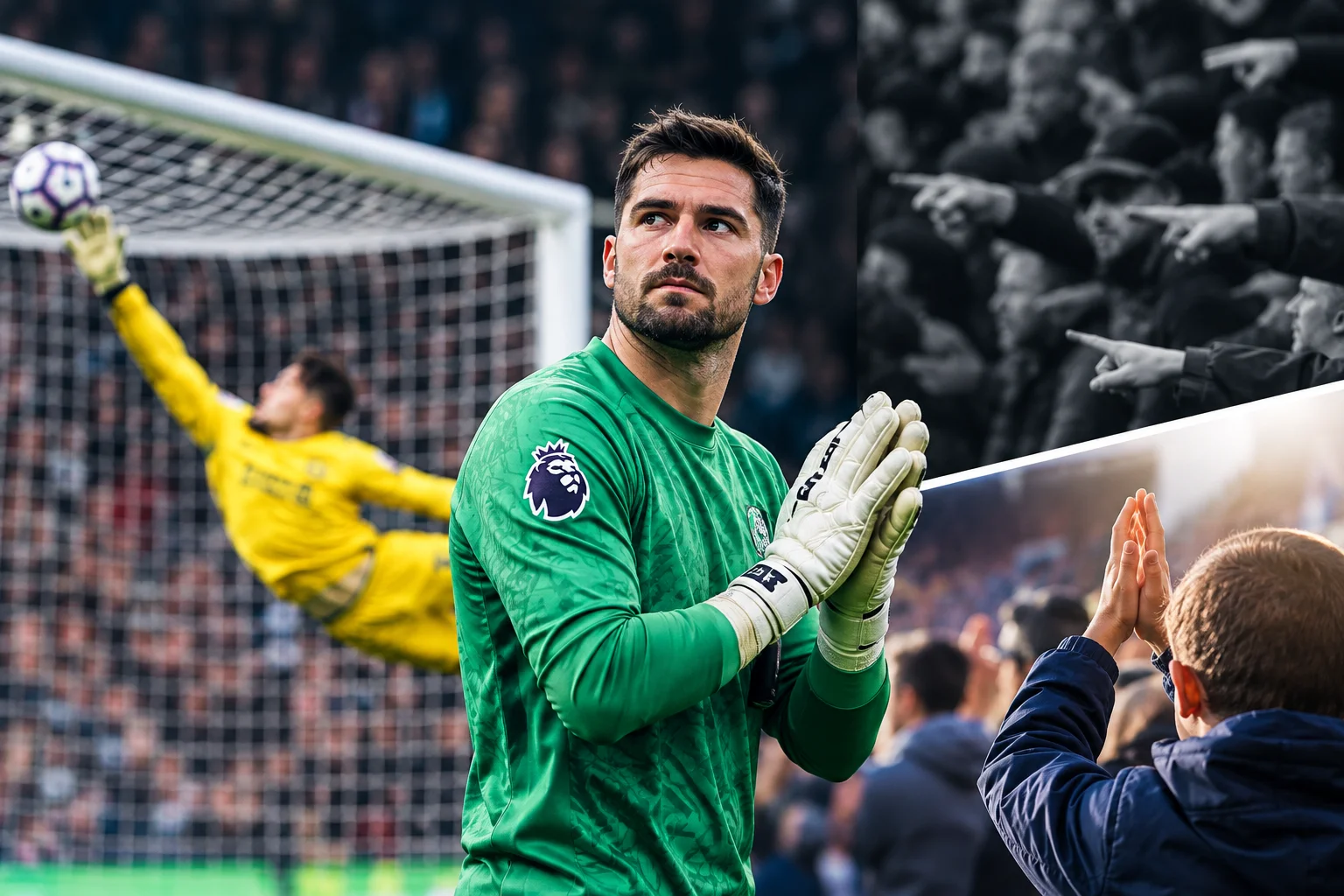
A striker who misses five chances and scores one is a match-winner. A goalkeeper who makes five saves and lets in one is the reason his team lost. No other position in football is judged on such a lopsided scale, and understanding why explains a great deal about the job.
It also explains why goalkeepers, more than any other players, are shaped by how they handle the judgement rather than only by how they play.
Why are mistakes so visible?
Because a goalkeeper’s error is almost always a goal, and a goal is the thing everyone remembers.
An outfield player can misplace a dozen passes in a match and most will be forgotten by the next phase of play. A goalkeeper’s mistake produces the single most important event in the game, immediately, with no chance for a teammate to cover it. The error and the consequence are joined together in a way that never happens elsewhere on the pitch.
That makes goalkeeping errors far more memorable than they are frequent. A keeper who makes one bad mistake a season is remembered for the mistake. An outfield player who makes one a match is remembered for his goals.
Why does the best work go unnoticed?
Because good goalkeeping often means nothing happens.
The most valuable things a goalkeeper does are frequently invisible: the positioning that means a shot goes straight at him, the organisation of the defence that means the shot is never taken, the early decision to come for a cross that means there is no header to save. None of that appears in highlights. The spectacular diving save that does appear is often the result of poor positioning that made it necessary.
So the goalkeeper who is doing the job best may look like he is doing the least, and the one who looks busiest may be the one who has been caught out.
What do coaches actually assess?
Decisions, mostly, and the things that lead to shots rather than the shots themselves.
Goalkeeping coaches look at where a keeper stands, when he comes off his line, how he communicates with his defenders and how he distributes the ball once he has it. Shot-stopping is assessed too, but it is treated as the last line of a process rather than the whole job. A keeper with brilliant reflexes and poor decisions costs more goals than one with modest reflexes and excellent judgement.
That distinction is largely invisible to supporters, which is one reason the assessment inside a club and the assessment outside it so often diverge.
It also explains why goalkeepers are so often described as a breed apart. They train separately, they are judged separately, and they spend much of a match watching rather than playing. The position attracts a particular temperament, and the ones who thrive in it are rarely the ones who would have been happiest outfield.
How has the job changed?
Considerably, and mostly through what the goalkeeper does with his feet.
Modern teams play out from the back under pressure, which means the goalkeeper is now the first passer in the team rather than the last defender. He is expected to receive the ball from his centre-backs, take a touch with an opponent closing him down, and find a pass. A keeper who cannot do that limits how his team can play, and clubs now recruit for it as much as for shot-stopping.
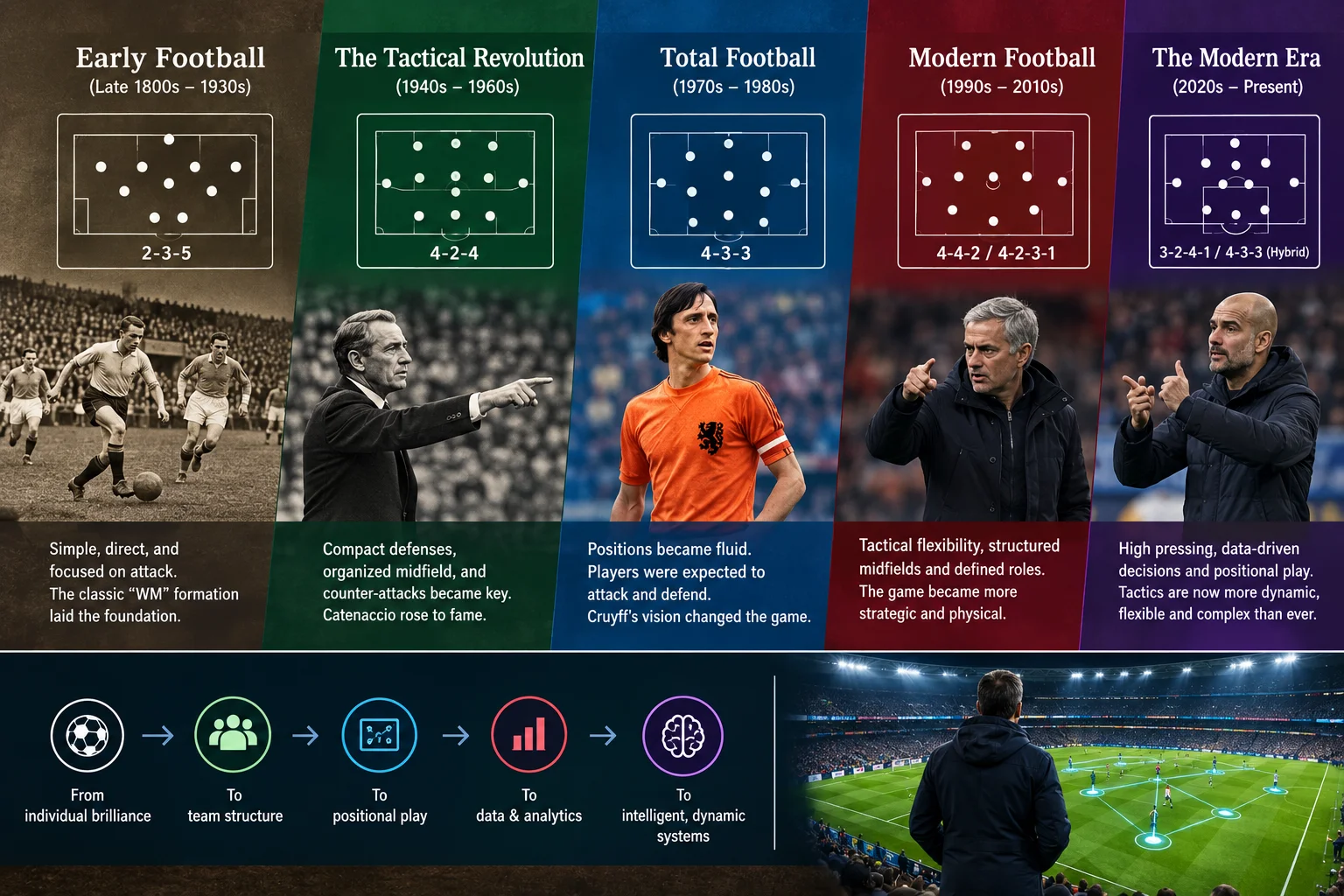
Our piece on how football managers change games touches on the tactical shift that put goalkeepers in that position. It has made the job harder and the judgement of it less fair, since a goalkeeper who makes a mistake with the ball at his feet is blamed for a risk his manager asked him to take.
Why is confidence so important?
Because the position gives a goalkeeper long stretches to think.
An outfield player who makes an error is back in the game within seconds. A goalkeeper may go ten minutes without touching the ball after a mistake, with nothing to do but replay it. That is why goalkeeping errors so often come in clusters, and why a keeper’s form can collapse suddenly and take months to recover. The mental side of the job matters more than in any other position.
Goalkeepers who last tend to have an unusual ability to put mistakes away. It is not that they do not care. It is that they have learned not to carry the last one into the next.
What about penalties?
The one moment where the judgement flips.
A goalkeeper facing a penalty is expected to concede. If he does, nobody blames him. If he saves it, he is a hero. It is the only situation in the game where the goalkeeper is judged generously, and goalkeepers know it, which is why so many treat penalties as an opportunity rather than a threat. Shoot-outs in particular can make a goalkeeper’s reputation in an evening, in a way that a season of quiet excellence never will.
Are goalkeepers valued fairly?
Less than they should be, historically, though that is changing.
For most of football’s history, goalkeepers were paid less than outfield players of equivalent standing and transferred for smaller fees. The reasoning was that they scored no goals and that good ones were easier to find. Neither was true, and the gap has narrowed as clubs have come to understand how many points a good goalkeeper is worth across a season.
A goalkeeper who saves his team a goal every three or four matches is worth as much as a forward who scores one, and clubs now price them accordingly.
Do goalkeepers peak later?
Generally, yes, and it changes how careers are judged.
Outfield players tend to peak in their mid to late twenties and decline through their early thirties. Goalkeepers frequently reach their best later, and many play at the top level well into their thirties, because the job depends more on judgement and positioning than on the pace that fades first. That means a goalkeeper who looks ordinary at twenty-three may be excellent at thirty, and clubs that judge young goalkeepers by outfield timelines often give up on them too soon.
What should supporters look for?
The quiet things. Where the keeper stands before a shot. Whether he is talking to his defenders. How quickly he decides to come for a cross. Whether the ball leaves his hands accurately.
A goalkeeper who is rarely required to make a spectacular save is usually doing the job well. The one who makes three a match is either exceptional or badly positioned, and it is worth watching closely enough to tell which.
None of this makes goalkeeping a bad job. It makes it a different one, with its own way of being judged, and the players who understand that early are the ones who last.
Frequently asked questions
Why do goalkeepers get more blame than other players?
Because a goalkeeper’s mistake almost always results in a goal, immediately and with no chance for a teammate to cover it, which makes the error far more memorable.
What makes a good goalkeeper?
Positioning, decision-making and communication as much as shot-stopping. The best goalkeepers often look like they are doing the least.
Why do goalkeepers need to be good with their feet?
Because modern teams play out from the back, which makes the goalkeeper the first passer in the team and requires him to keep the ball under pressure.