Jesse Hall

A manager cannot kick a ball during a match, and once the whistle goes most of what he can do is shout from a technical area. Yet managers are hired, fired and paid on the strength of results they appear to control from the touchline. The gap between what a manager can actually change during ninety minutes and what supporters believe he can is wide, and worth understanding.
The honest answer is that managers change games mostly before they start, and only occasionally while they are being played.
What can a manager control during a match?
Three things, and all of them are blunt instruments.
He can change personnel, through substitutions. He can change shape, by moving players into different positions or altering the formation. And he can change instructions, by telling players to press higher, sit deeper, play longer or keep the ball. Everything else, from individual decisions to the bounce of the ball, is out of his hands once play begins.
Those three levers are real, and used well they decide matches. But they are limited, and a manager who has set his team up badly has fewer options than one who got it right from the start.
How much do substitutions matter?
More than they used to, and the expanded number of changes has made them a genuine tactical weapon.
A well-timed substitution introduces fresh legs when opponents are tiring, changes the shape of the attack, or shores up a defence that is under pressure. Managers now plan substitutions before the match rather than reacting to it, with set changes at set times built into the game plan. The players who come on in the final half hour are often chosen specifically for what they can do against tired defenders.
Poor substitutions are just as decisive. A change that disrupts a team’s rhythm, or removes the player holding a shape together, can lose a match that was being won.
What is a shape change and when does it work?
Moving the team’s structure without changing the players, and it works when the opponent has found a weakness.
If the opposition is overloading one flank, a manager might shift a midfielder across to cover it. If his side cannot get the ball forward, he might push an extra player into attack and accept more risk at the back. If a lead needs protecting, he might drop into a deeper, more compact formation. The players stay the same but the problem each of them is solving changes.
Shape changes work best when they are rehearsed. A team that has practised switching between two systems can do it mid-match without confusion. A team asked to try something new under pressure often falls apart.
Why does the week matter more than the day?
Because the match is the end of the work, not the work itself.
A manager’s real influence is in training: the patterns the team practises, the fitness it builds, the analysis of the opponent, the selection of the side and the instructions given before kick-off. By the time the match starts, almost all the decisions that will determine it have been made. What happens on the touchline is adjustment at the margins.
This is why judging managers on individual matches is unreliable. A manager who loses a game he set up well has been unlucky. One who wins a game he set up badly has been fortunate. Over a season the difference shows; over a single afternoon it often does not.
When does a touchline change actually decide a match?
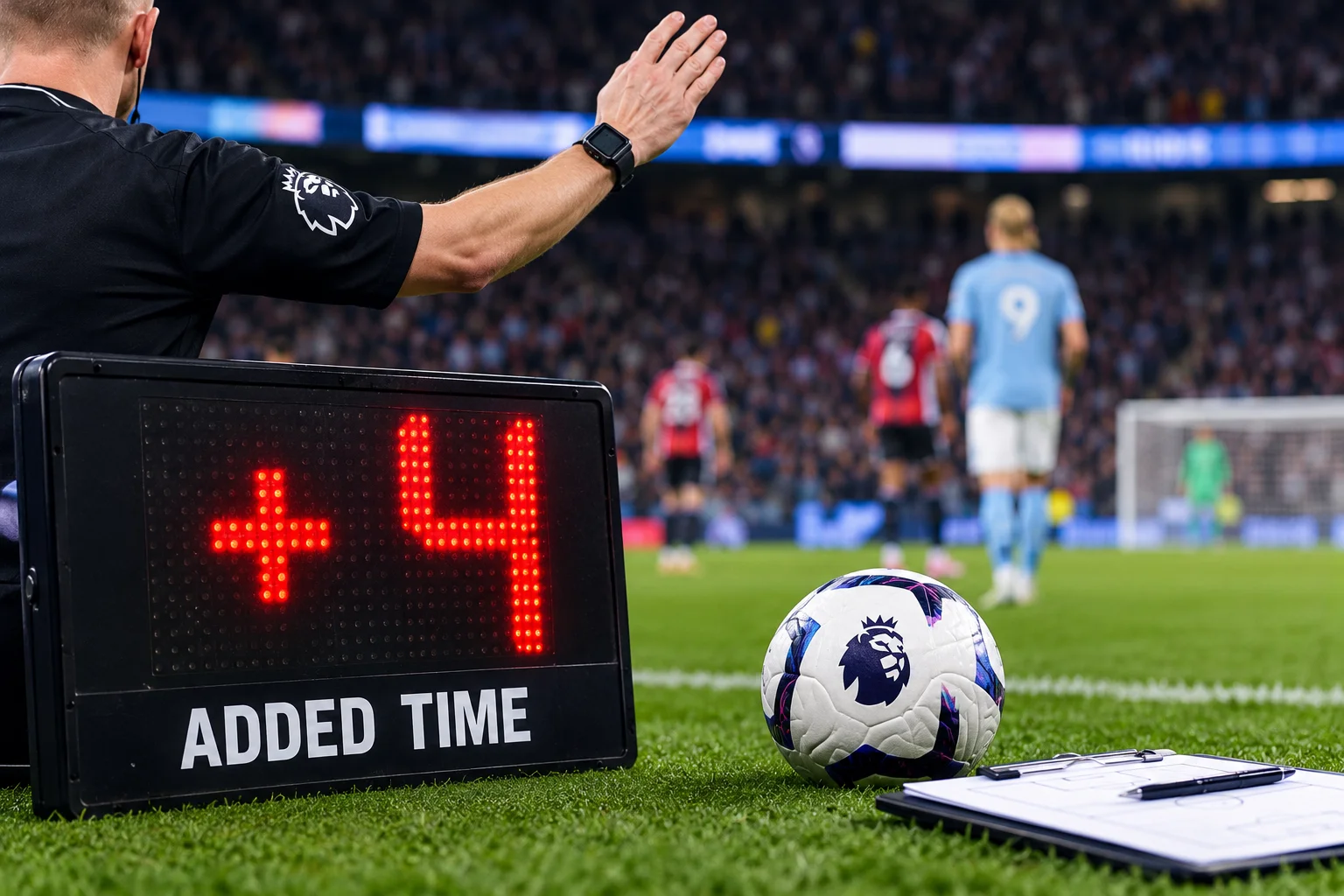
Most often in the final twenty minutes, when the pattern of the game has become clear and both sides are tired.
By that point a manager can see which of his players are fading, where the opposition is vulnerable and whether the current approach is working. A substitution or shape change made then, into a match whose shape he understands, is far more likely to work than one made early, when the game has not yet revealed itself. The managers with the best reputations for changing matches tend to be the ones who wait, watch, and act once rather than fiddle throughout.
How do managers handle half-time?
As the one real opportunity to reset.
Fifteen minutes is enough to show players what is going wrong, make a change of personnel or shape, and send them out with different instructions. Most managers use it for a small number of clear messages rather than a lecture, since tired players retain little. The best half-time interventions are the ones that identify a single problem and fix it.
Teams that come out noticeably different after half-time usually reflect a manager who saw something in the first half and acted on it. Teams that continue exactly as before often reflect one who did not.
Does the manager’s personality change matches?
Less than the mythology suggests, though it is not nothing.
A manager who keeps players calm when they are losing, or focused when they are winning, has an effect that does not show in a tactical diagram. A manager who panics transmits that to the pitch. But the idea that a manager’s presence alone wins matches is mostly a story told after the result is known. The influence is real; the scale is usually exaggerated.
Where personality genuinely matters is over months, in building the kind of squad that can absorb pressure. Our piece on how the January transfer window shapes a season covers one way managers reshape that squad mid-year, and our look at how football academies produce players covers the longer route.
Why do some managers seem to change games more than others?
Partly skill, partly reputation and partly selective memory.
Managers who make bold changes that work are remembered for them. Managers whose bold changes fail are remembered for those too, and often sacked. The managers with the strongest reputations for in-game influence are usually the ones whose squads are deep enough to give them real options from the bench, which is a product of recruitment rather than touchline genius. A manager with a weak bench can see exactly what the match needs and have no way to supply it.
What managers actually do
They prepare teams, select them, and adjust them at the margins when the match demands it. The adjustments are real and sometimes decisive, but they rest on preparation done long before kick-off. A manager’s influence on a single match is smaller than supporters believe. His influence on a season is larger.
None of which makes the touchline irrelevant. A manager who reads a match correctly and acts once at the right moment can win it. But that moment is rare, and the managers who last are the ones who do the work during the week so that the moment is rarely needed.
Frequently asked questions
What can a football manager change during a match?
Personnel through substitutions, shape through formation changes, and instructions through what he tells players. Everything else is out of his hands once play begins.
Why are substitutions important?
Fresh players in the final half hour can exploit tired opponents, change the shape of an attack or protect a lead. Managers now plan substitutions before the match rather than reacting to it.
Do managers really affect results?
Over a season, considerably, through preparation, selection and squad building. Over a single match, less than supporters assume, since most decisions that decide it were made before kick-off.

 Daniel Whitmore