Jesse Hall

The Global Appeal of the Premier League
A match between two mid-table English clubs on a Saturday afternoon is watched live in bars in Bangkok, living rooms in Lagos and apartments in Los Angeles. No other domestic football league commands that kind of audience, and the gap between the Premier League and its nearest rivals in international reach has widened rather than narrowed over the past two decades.
How a national league became a global product is a story of timing, television and a few decisions that turned out to matter enormously.
When did the Premier League go global?
In the 1990s, and the timing was the first piece of luck.
The league was founded in 1992 as a breakaway from the old Football League, with the explicit aim of selling television rights more profitably. That coincided with the arrival of satellite broadcasting in Britain and, soon afterwards, with the expansion of pay television across Asia, Africa and the Americas. A league that had just packaged itself for television found a world of new broadcasters looking for content to fill their schedules.
English football’s existing reputation helped. The game had been exported from Britain in the first place, and many countries already followed English clubs loosely. The Premier League gave that interest something to attach to every week.
Why English football rather than another league?
A combination of language, kick-off times and the style of the football.
English is the most widely understood language in the world’s largest television markets, which made the league easier to broadcast and commentate on than its rivals. Saturday afternoon and evening kick-offs fall at convenient times across Asia and Africa, where much of the audience growth happened, in a way that late-evening fixtures in Spain and Italy do not.
The football itself was also a factor. The Premier League’s pace, physicality and relative unpredictability made it watchable in a way that more cautious leagues were not, and the atmosphere in English grounds translated well on screen.
How did the money reinforce it?
Through a cycle that fed itself.
International television rights brought money into the league, which allowed clubs to sign the best players from around the world, which made the league more attractive to international audiences, which raised the value of the rights again. Players from almost every football nation now appear in the Premier League, and supporters in those countries follow the clubs their compatriots play for.
The distribution of that money also mattered. The league shares television income more evenly between clubs than most of its rivals, which keeps more teams competitive and more matches meaningful. A league where the bottom side can beat the top side is more watchable than one where the result is known in advance.
What does global appeal look like in practice?
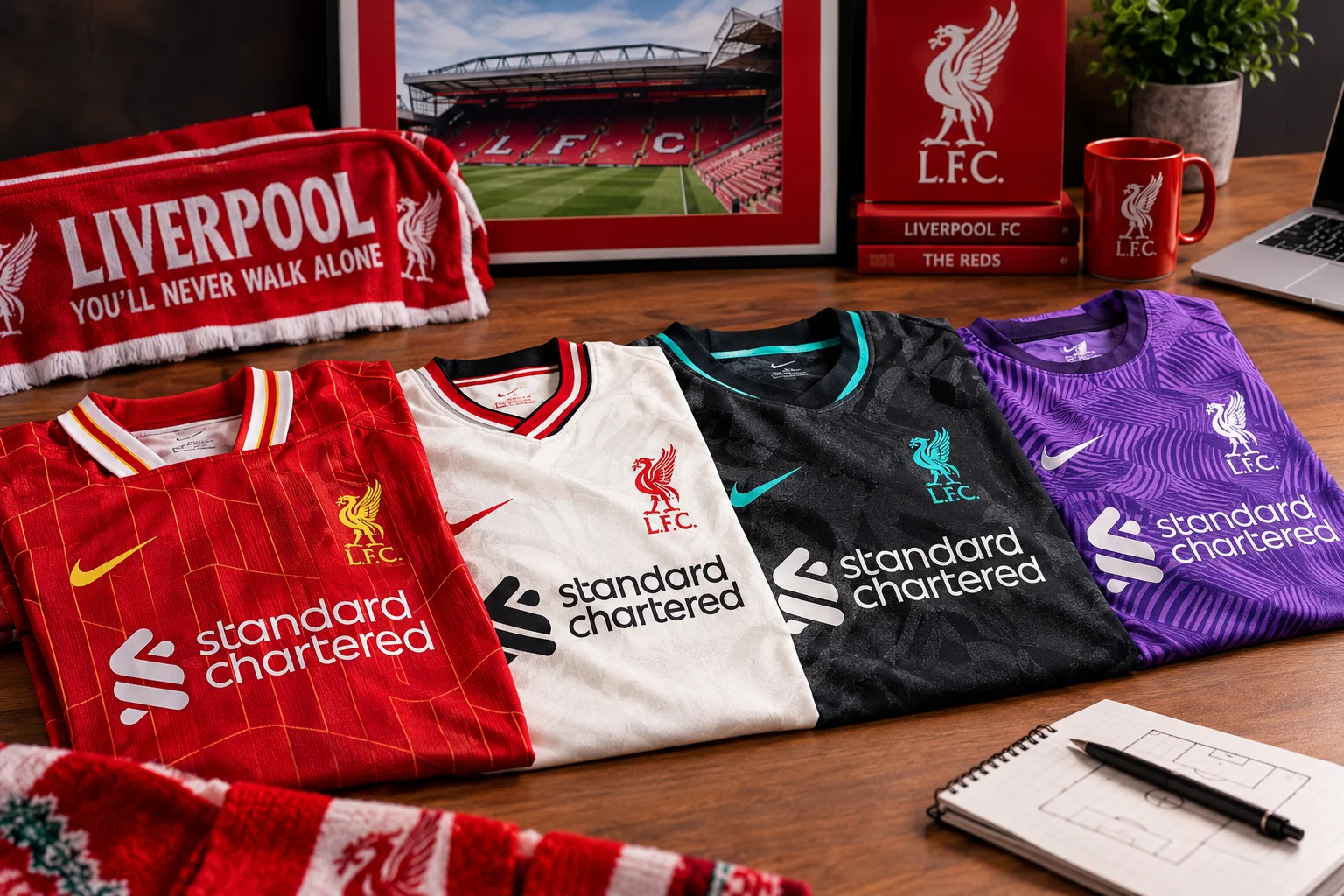
Supporters’ clubs in cities that have never hosted an English football match, replica shirts worn on every continent, and pre-season tours that fill stadiums far from home.
The clubs have built international operations to serve that audience, with offices abroad, local-language content and commercial partnerships in markets most English supporters will never visit. The biggest clubs now have more supporters outside Britain than inside it, by a wide margin, and their decisions reflect that.
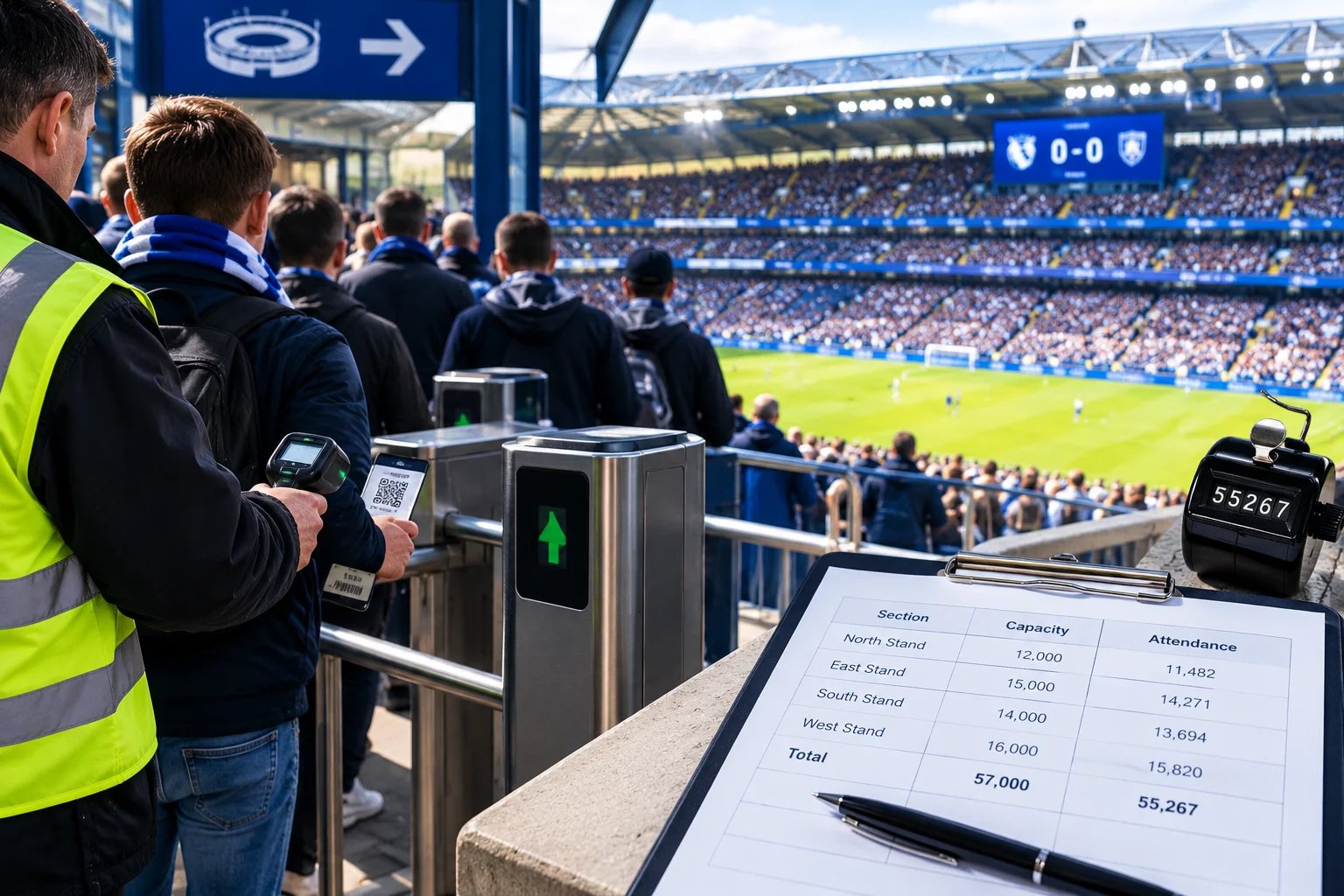
Match-going supporters at home sometimes feel the league has been taken away from them. The kick-off times moved for television, the ticket prices and the commercial priorities all reflect a global audience rather than a local one.
How do international supporters follow it?
Mostly through television and social media, and increasingly through visits.
For a supporter in Asia or Africa, following a Premier League club means early mornings or late nights built around the fixture list, local supporters’ clubs that gather to watch matches together, and an attachment to a city they may never have seen. Many save for years to make one trip to see their club play at home, and the clubs have learned to recognise those visitors and make the experience count.
That international following also means the clubs’ decisions, from kit launches to pre-season tours, are increasingly aimed at an audience thousands of miles from the ground. Supporters at home sometimes resent that. The clubs cannot afford to ignore it.
Does it change the football?
In some ways, and not always for the better.
The money has raised the quality of the league beyond anything that would have been possible with domestic income alone. But it has also widened the gap between the clubs with global followings and those without, since international revenue flows disproportionately to the biggest names. It has shaped the fixture list around broadcasters’ needs and, some argue, diluted the atmosphere at certain grounds as the crowd has changed.
The league’s dominance also draws players and attention away from other countries’ competitions, which has consequences for football elsewhere.
What does it mean for the smaller clubs?
A share of money they could never have earned alone, and a visibility that changes what is possible.
A club that has never finished in the top half of the table still receives international television income on a scale that would make it one of the richest clubs in most other countries. That money keeps the league competitive from top to bottom and allows clubs with modest domestic followings to sign players who would otherwise be out of reach. It also means that a promoted club arrives in a league watched by hundreds of millions of people, and its name reaches places it has never been heard.
The trade-off is dependence. A club built on Premier League income suffers badly on relegation, which is why the fight to stay up has become so expensive.
Will it last?
Probably, though not inevitably.
The Premier League’s position rests on television habits that are changing, on a broadcast model under pressure from streaming, and on a competitive balance that other leagues are trying to copy. Rival competitions, including the expanded European tournaments, compete for the same audience. The league’s advantages are real, but they were built in a particular period, and periods end.
For now, the appeal shows no sign of fading. The matches that supporters in Cambridge, Lagos and Bangkok watch are the same ones, kicked off at the same moment, and that shared experience is the thing the league sells.
That global demand is also why buying a shirt has become its own small skill, which we cover in our guide to buying football shirts online in the UK. And for what the league’s shirts look like each season, our Premier League shirts season guide covers the range.
Frequently asked questions
Why is the Premier League so popular worldwide?
A combination of early television deals, the English language, convenient kick-off times for Asian and African audiences, the pace of the football, and a reinforcing cycle of money, players and attention.
When was the Premier League founded?
In 1992, as a breakaway from the Football League, with the aim of selling television rights more profitably. That timing coincided with the global expansion of satellite and pay television.
Do Premier League clubs have more fans abroad than at home?
The largest clubs do, by a wide margin, and their commercial and content operations are now built around that international audience.

 Daniel Whitmore