Daniel Whitmore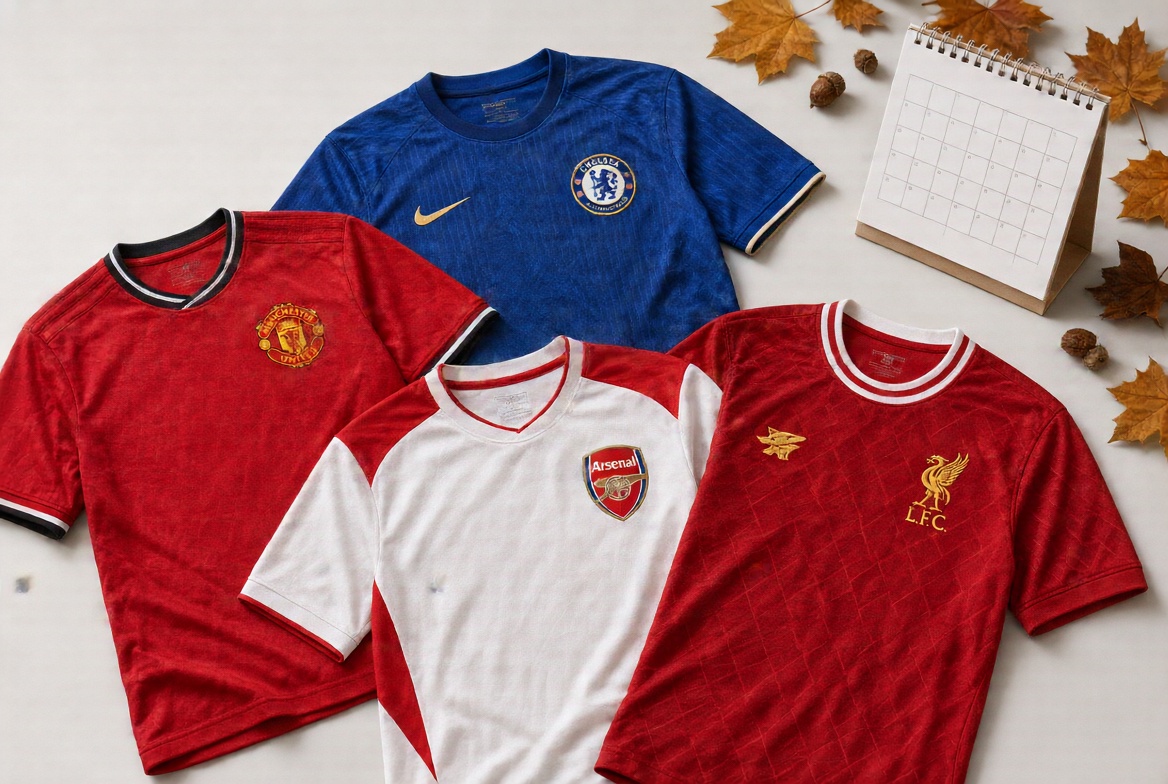
Twenty clubs release at least three kits each summer, which puts something in the region of sixty new shirts into the market within a few weeks. Most are variations on what came before. A handful are genuinely interesting. Telling the difference is most of what makes shirt buying enjoyable rather than expensive.
This is a guide to thinking about that properly, rather than a list of every kit released.
Why home shirts change less than you think
A club’s home shirt is its most valuable commercial asset, and manufacturers treat it accordingly. The colour is fixed, the underlying template is usually shared across several clubs, and the year to year changes are typically confined to the collar, the sleeve trim and small pattern details.
That is deliberate rather than lazy. A home shirt has to be recognisable on sight, and radical redesigns risk alienating exactly the people most likely to buy one. So the genuine innovation happens elsewhere in the range.
In practical terms this means home shirts age slowly in appearance and quickly in status. Two seasons on, the shirt still looks right, but anyone who follows the club closely can date it immediately. Whether that matters is entirely a question of what you want the shirt for.
Where does the actual design happen?
Away shirts, mostly. The commercial downside of taking a risk is smaller, so manufacturers use colours the club never otherwise wears, lean into a city’s history, or revive an old design. Some of these become the most loved shirts a club has ever produced.
Third kits push further again. They exist partly for European competition and partly because clubs can sell a third shirt, and the results range from excellent to baffling, often in the same season across different clubs.
If you are buying a shirt you want to still like in five years, an away or third kit is usually the better bet. They are made in smaller numbers, they date differently from home shirts, and the good ones acquire a following that outlives the season they belong to.
How do you judge quality from a listing?
The same three checks work across every club, so they are worth learning once.
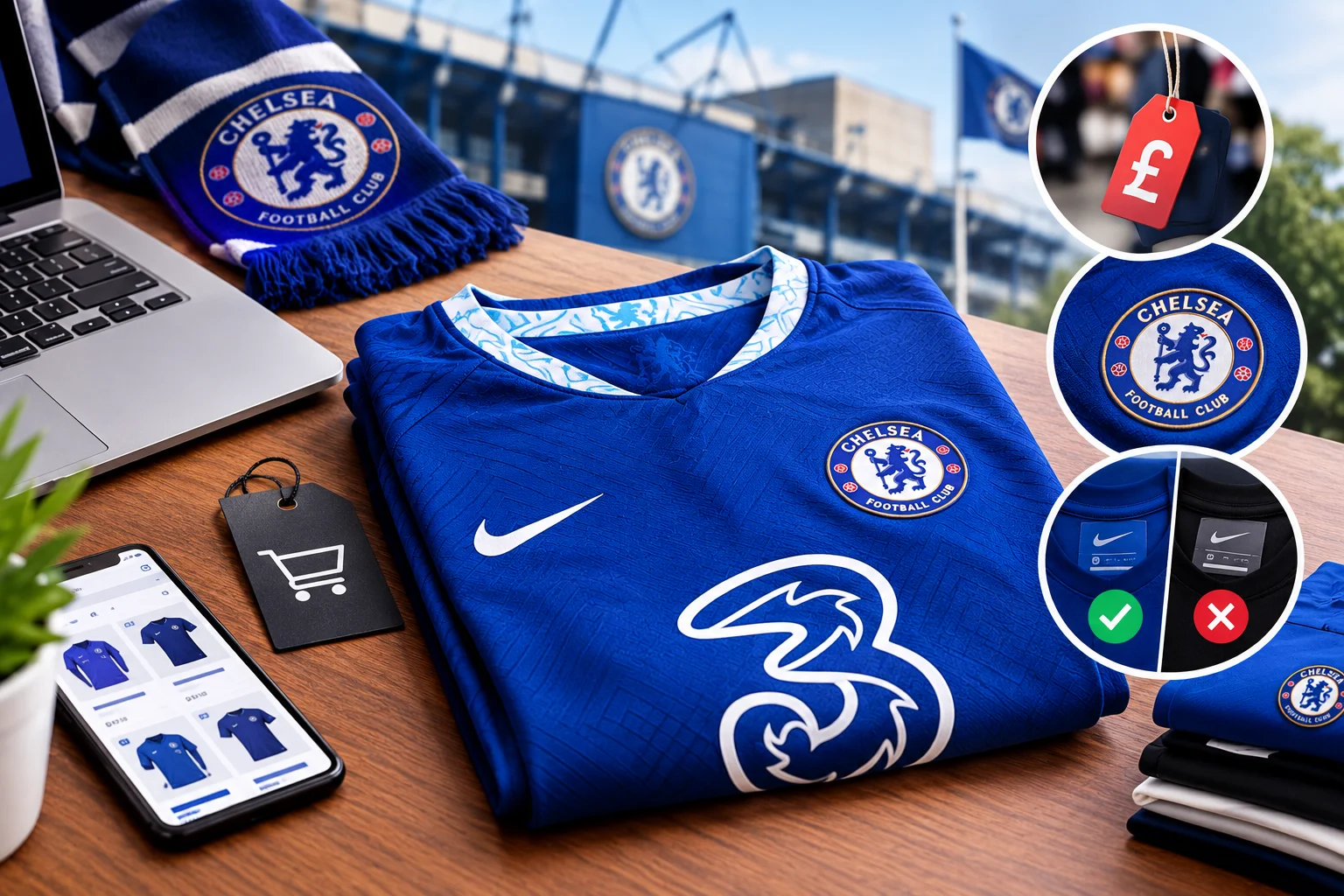
Start with the crest. Embroidered or properly bonded crests last for years. Heat pressed badges lift at the corners, usually within a few months of regular washing. Sellers who photograph the crest close up are signalling confidence in it.
Then the stitching, particularly at the hem and the sleeve cuffs, which carry the most stress on the garment. Even, dense stitching is what you want to see. Then fabric texture, which should be visible in any decent close up. Match shirts use a light knit with structure, often with mesh panels across the back. A completely smooth, flat surface usually points to a cheaper base cloth.
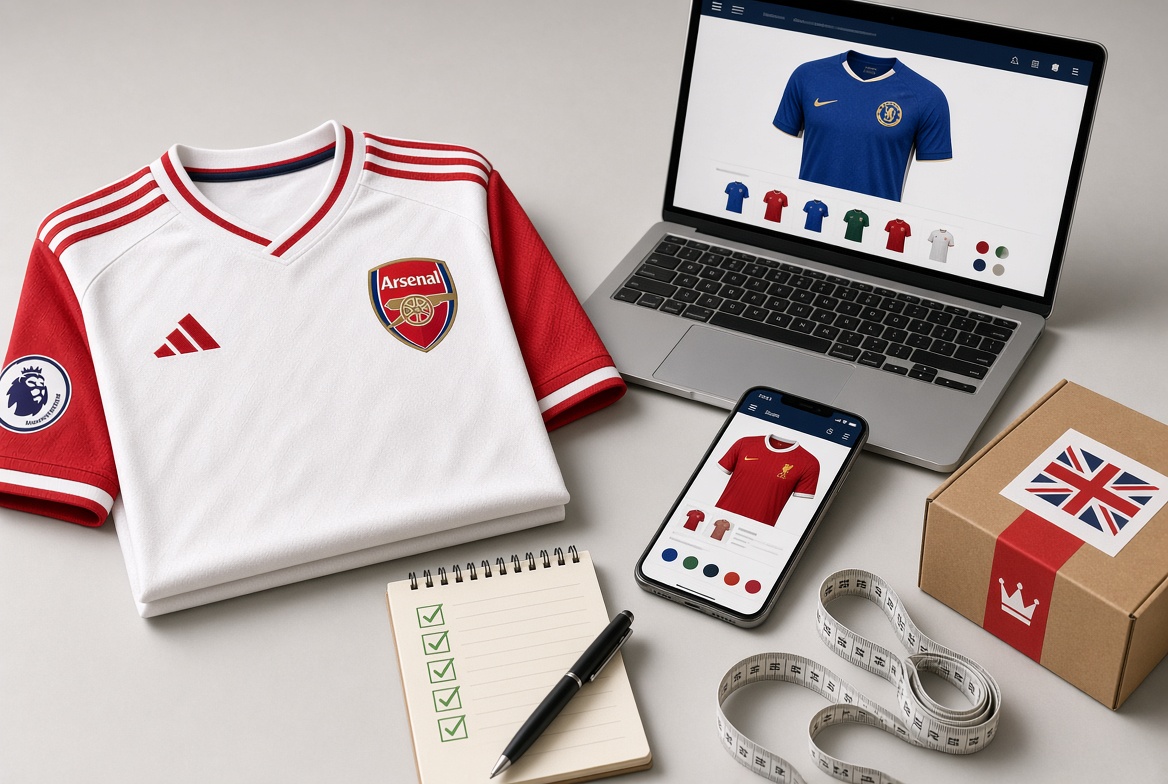
Anyone shopping across several clubs for premier league shirts will find these tells apply identically to all of them, regardless of manufacturer or price bracket.
Does the sponsor matter?
More than most people expect, at least in terms of how a shirt ages.
Shirts from seasons with an unusual or short lived sponsor tend to hold interest longer, simply because they are easy to place and relatively rare. Shirts from long sponsorship runs blur into one another. Nobody buys a shirt for the sponsor, but it does affect how distinctive that shirt feels a decade later.
The same logic applies to one off shirts, anniversary designs and kits tied to a particular achievement. Smaller production runs, and they stay interesting long after the season ends.
Replica, player version, or last season’s?
Three genuinely different purchases, and they are worth separating properly.
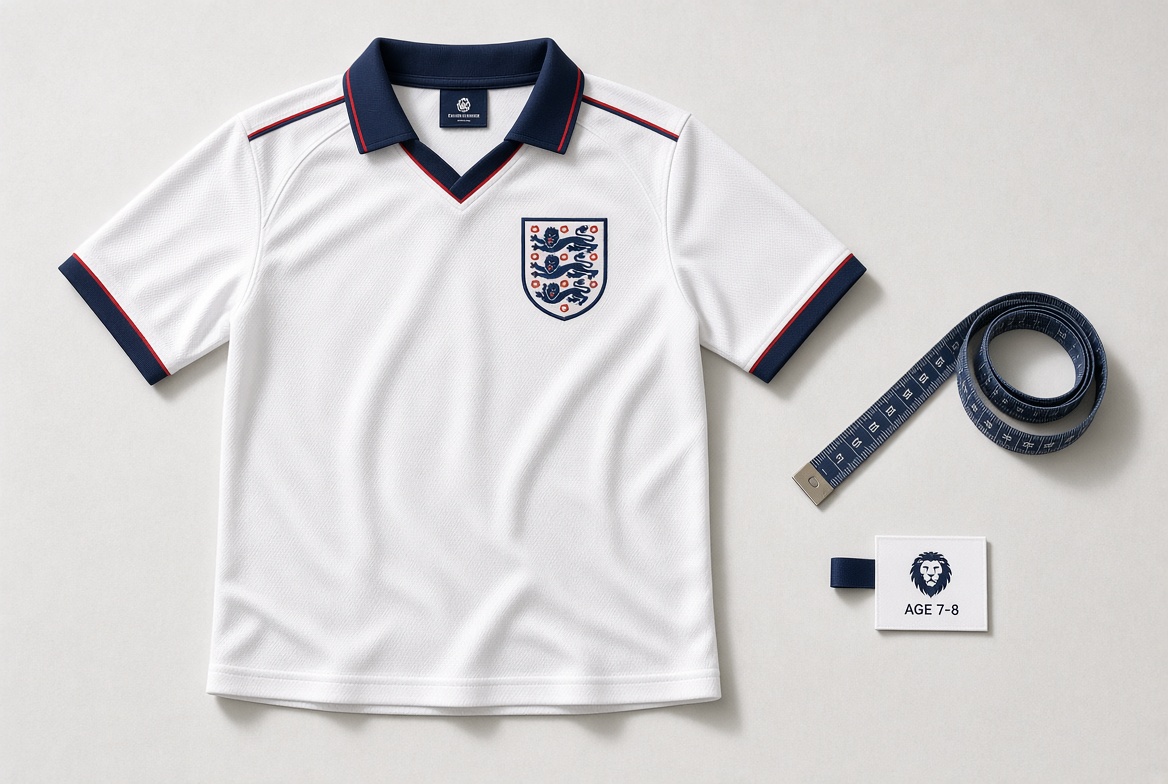
The replica is the standard fan shirt, cut with some room, comfortable for a few hours in a stand, and what the large majority of buyers actually want. The player version is tighter, lighter and built for playing rather than watching, with its own separate sizing chart. Ordering one in your usual replica size is among the most common mistakes in the whole market.
Last season’s shirt is the value option and frequently the smartest of the three. Twelve months old, near identical to most observers, and substantially cheaper. If being current is not the point of the purchase, it is difficult to argue against.
When is the best time to buy?
The pattern repeats every year. Kits launch in summer at full price and hold it through the opening months of the season. Reductions start in the new year and become serious in spring, when sellers are clearing stock ahead of the next release.
So if you want the current shirt at the best price, wait until spring. If you do not mind being a year behind, buy last season’s kit at any point and pay considerably less for something almost nobody will distinguish. For the commercial machinery sitting behind all of this, BBC Sport’s football coverage follows the business side alongside the results.
How do shared templates affect what you are buying?
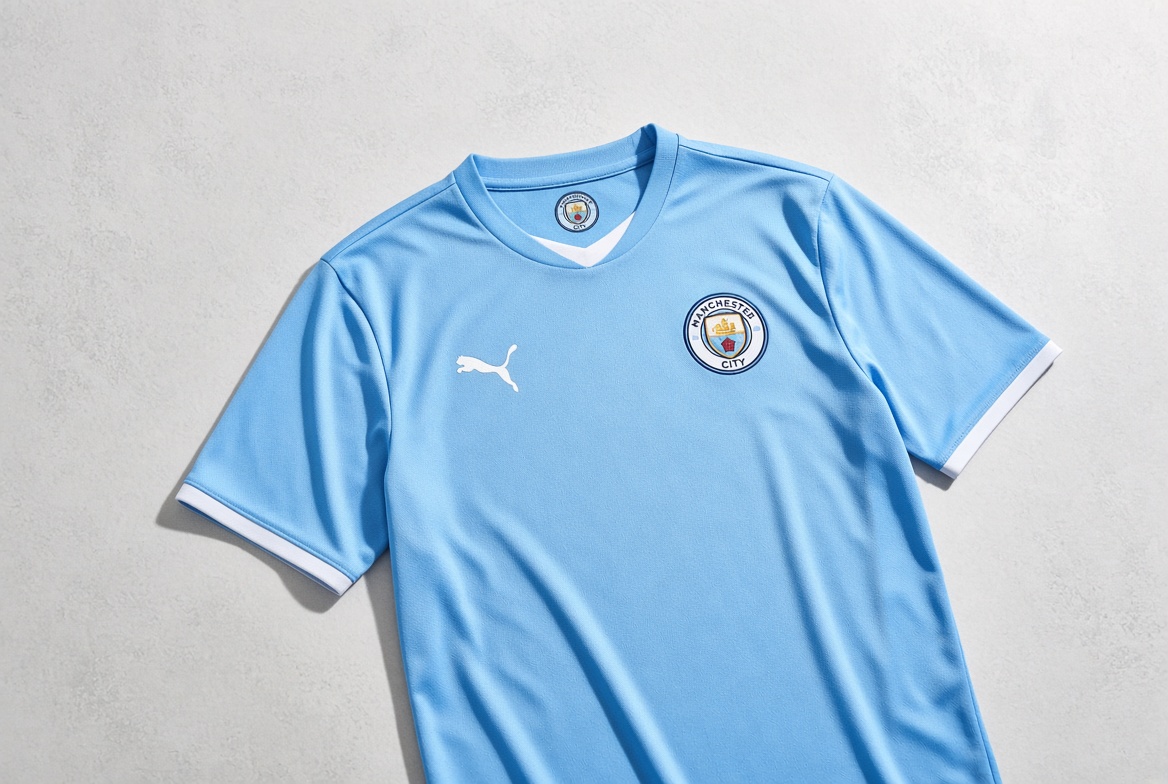
Most Premier League shirts are not designed from scratch. Manufacturers build a small number of templates each season and apply club colours, crests and trim to them, which is why shirts from different clubs often share a collar shape or sleeve construction.
That is not a mark against them. Templates are how the fabric technology and the fit get tested properly before reaching the shelf. But it does explain why a shirt can feel familiar the moment you put it on, and why fit tends to be consistent across clubs using the same supplier in the same year.
Practically, it means that if you know your size in one club’s shirt from a given manufacturer and season, that knowledge usually carries across to other clubs on the same template. Useful if you are buying a second shirt from a different club.
What to take from all this
Home shirts change slowly and are the safe purchase. Away and third kits are where the interesting designs live and where the longer term value tends to sit. The quality checks are identical across every club, so learn them once and apply them everywhere. And last season’s shirt is almost always the best value item available at any given moment.
Buy on those principles rather than on release week enthusiasm and you end up with shirts you still want years later.
For a club specific worked example of these checks, our guide to buying Chelsea shirts runs through them on a shirt where the colour leaves no margin for error. And on what actually decides the matches these shirts are worn for, why Premier League midfielders matter makes the case.
Frequently asked questions
How often do Premier League shirts change?
Home shirts are typically replaced every season, with away and third kits on the same annual cycle. A few clubs run a home design across two seasons, but annual replacement is the norm across the league.
Are away shirts a better long term buy?
Often, yes. They are produced in smaller numbers and change far more dramatically year to year, so the good ones stay distinctive for much longer than home shirts do.
What is the difference between replica and player version shirts?
The replica is the standard fan cut, roomier and more comfortable. The player version is tighter and lighter, designed for playing. They use different size charts, so check measurements rather than assuming your usual size carries across.